

Mocollop Glen Walk
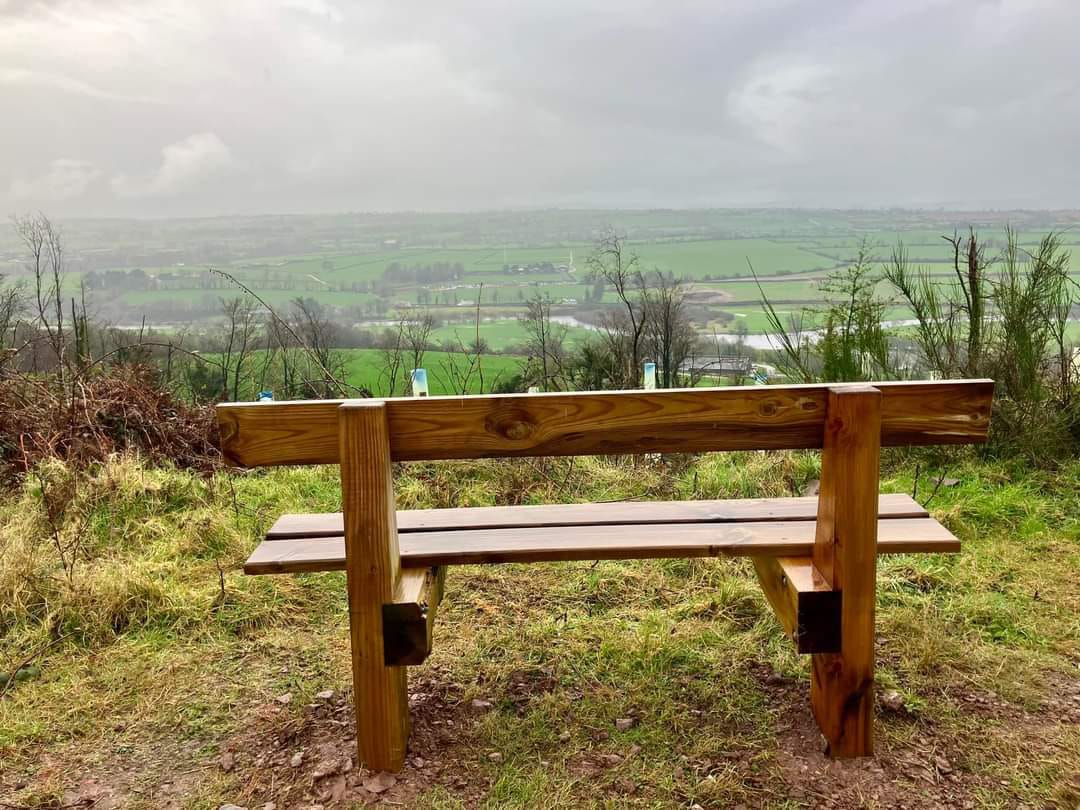
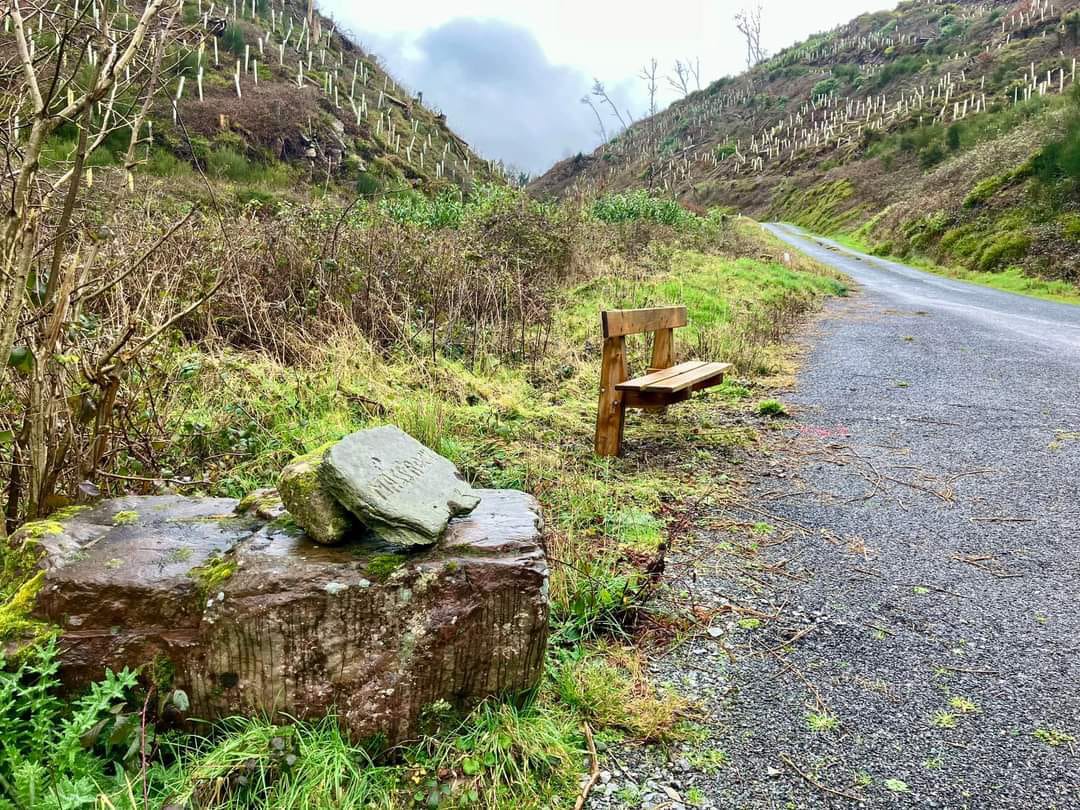
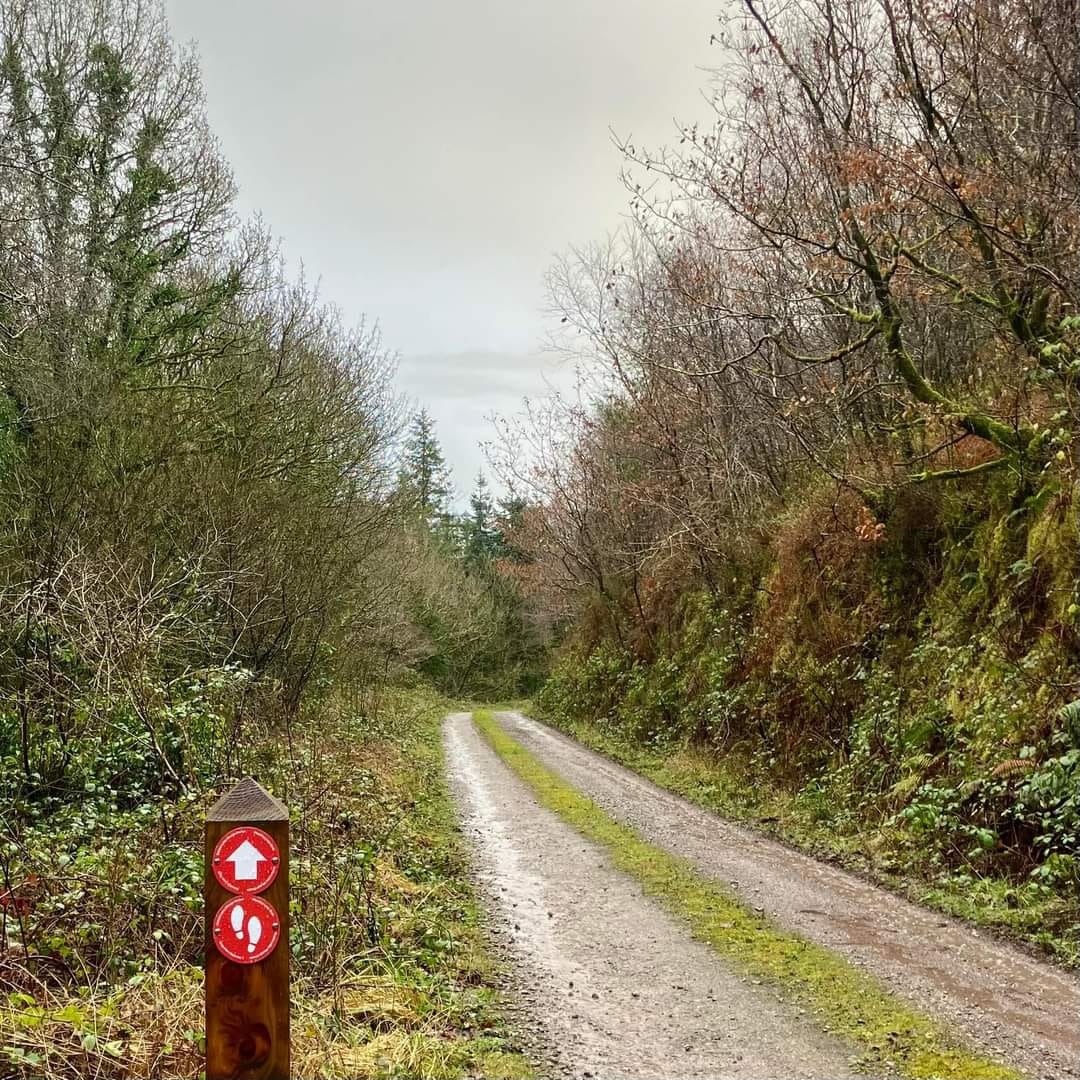
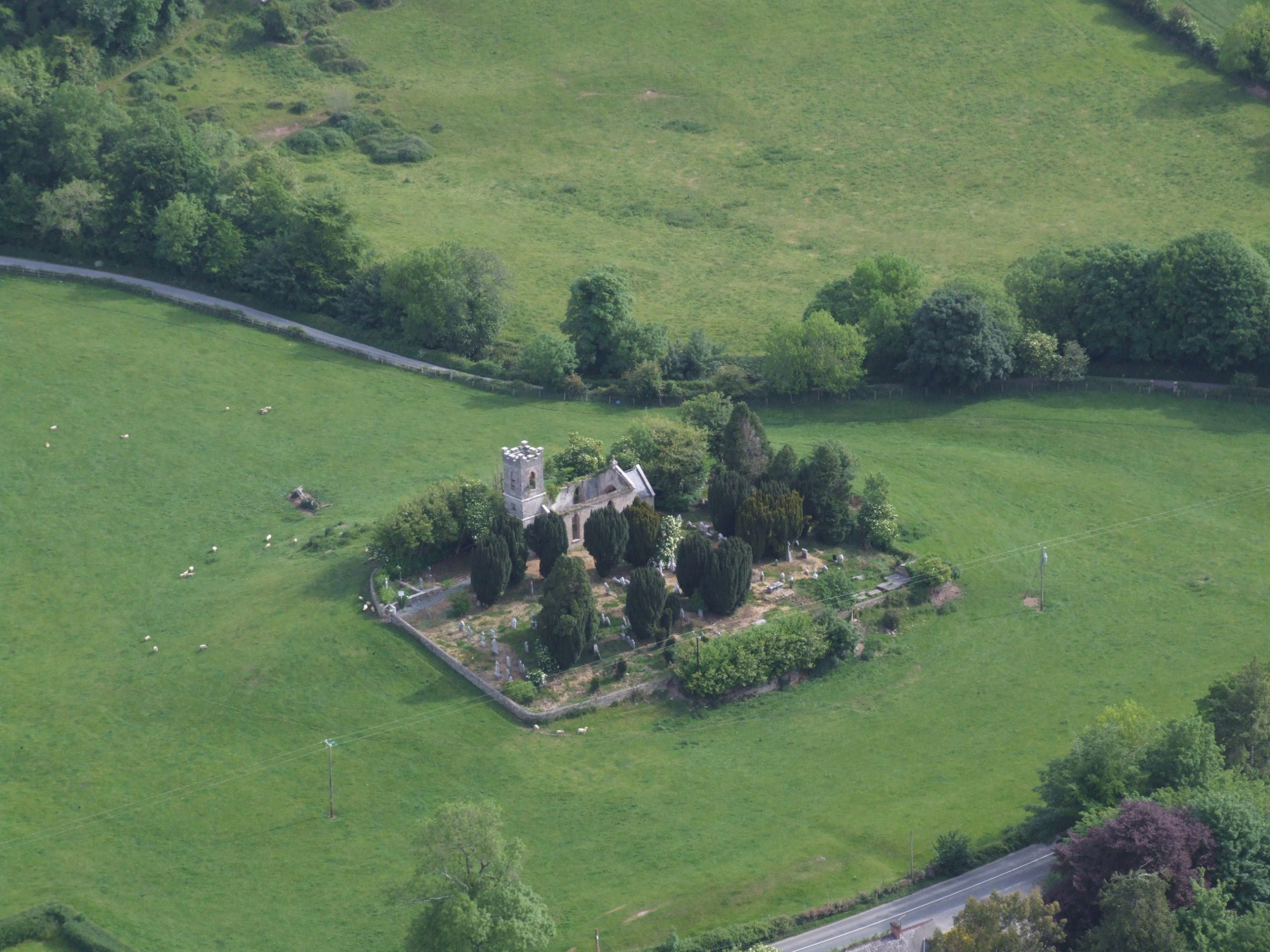
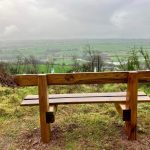
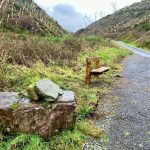
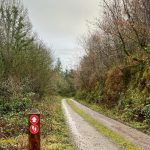
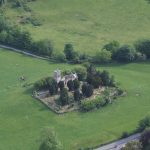
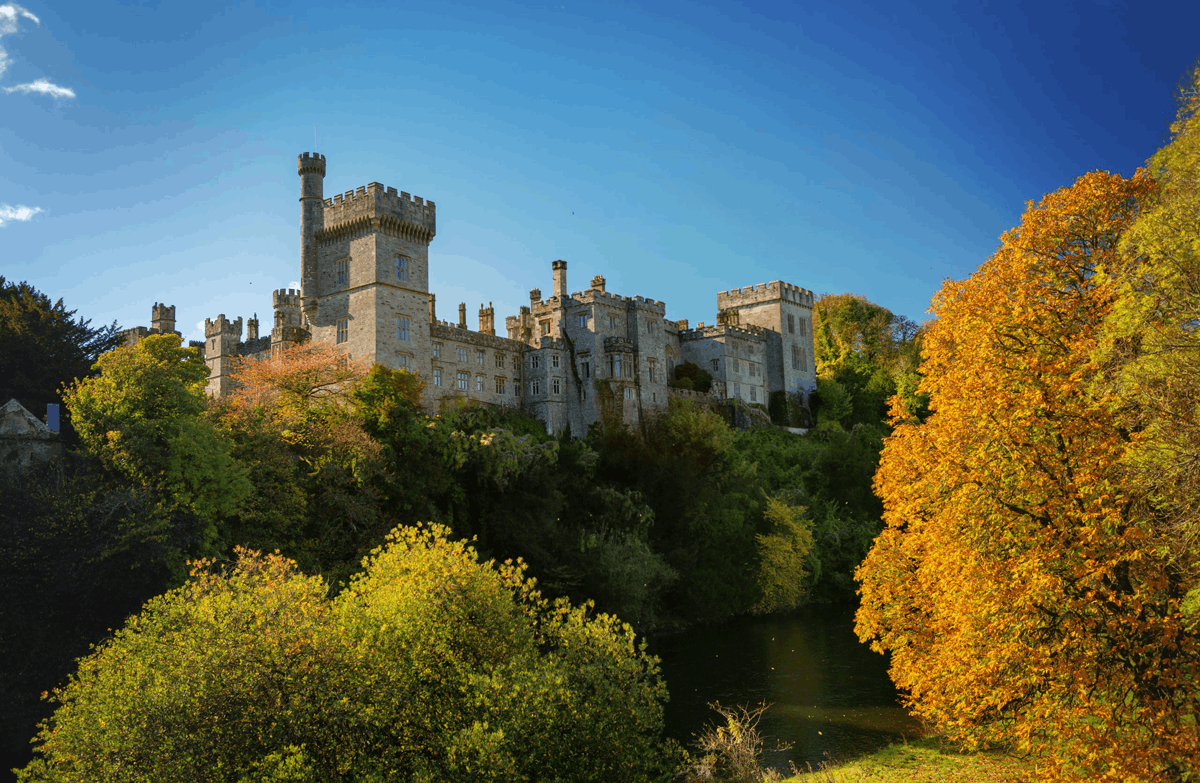
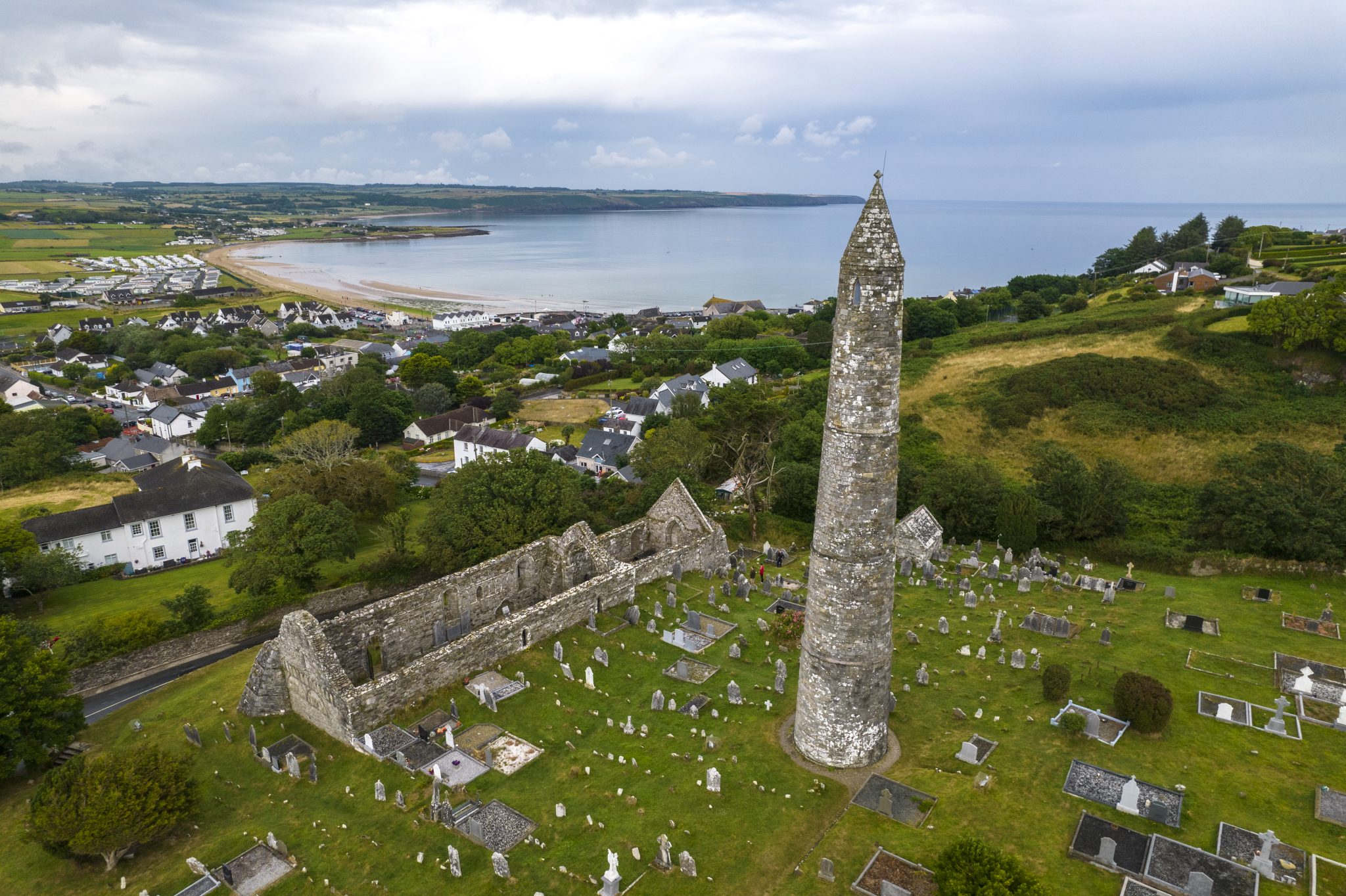
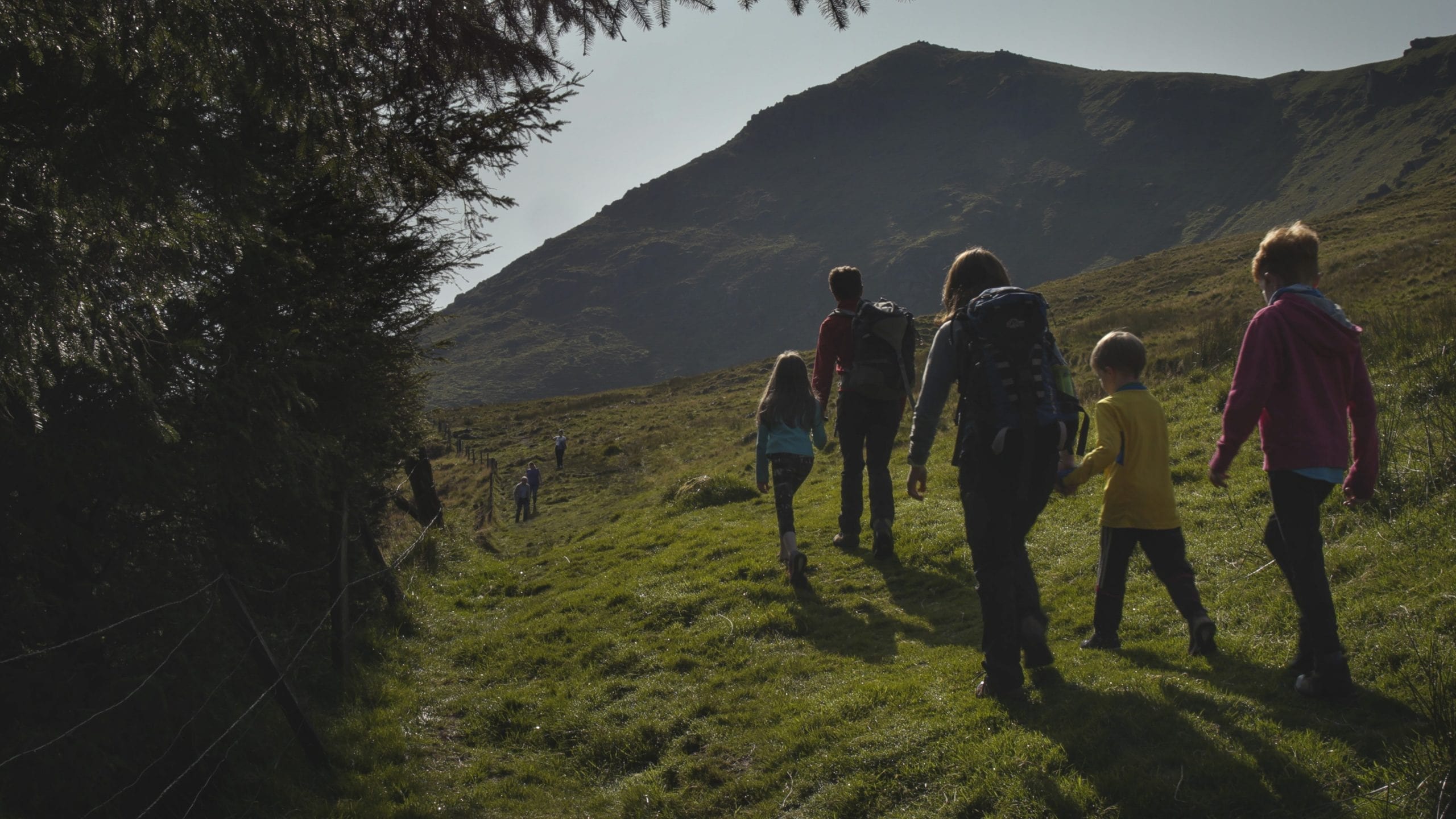
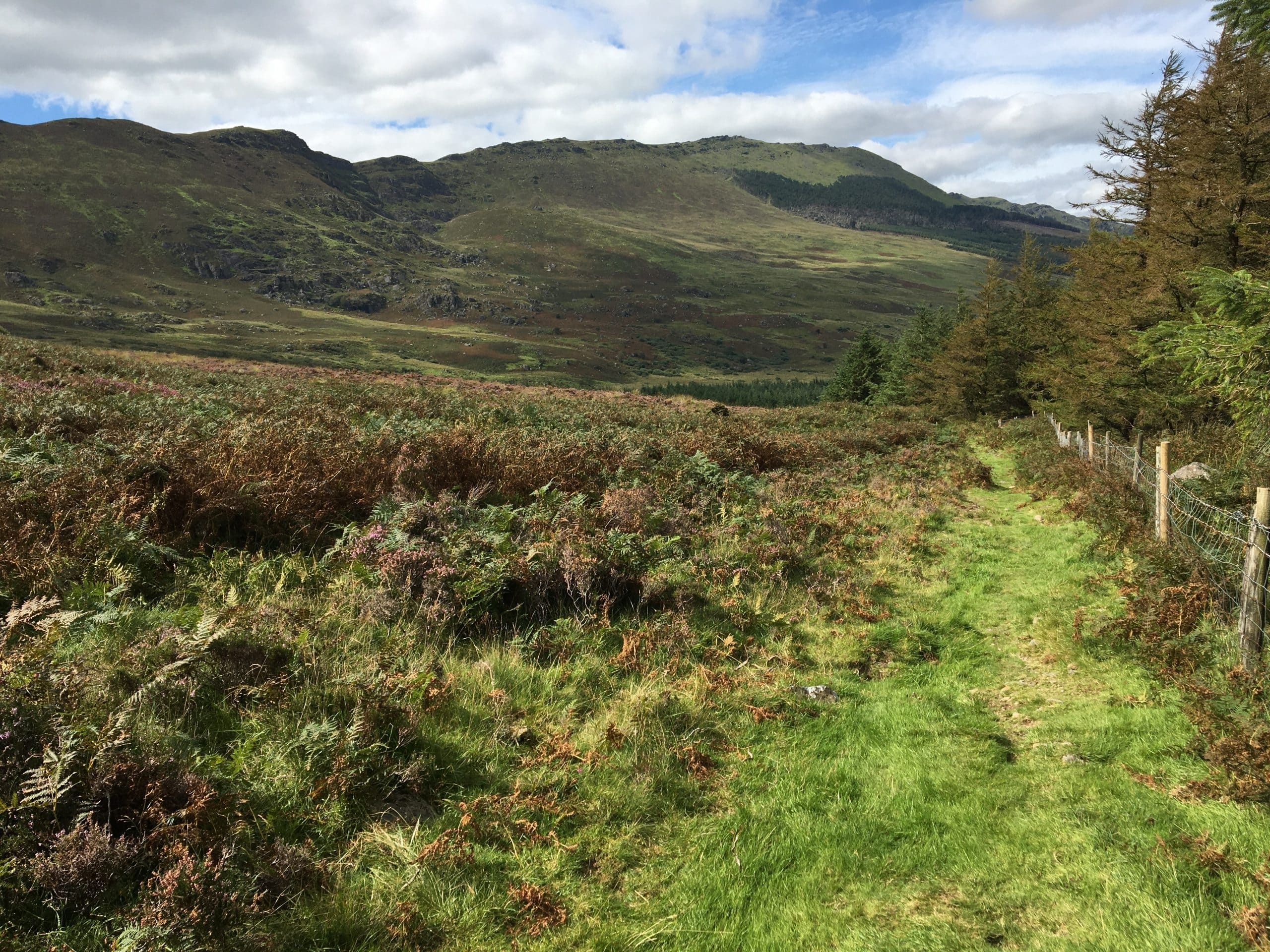
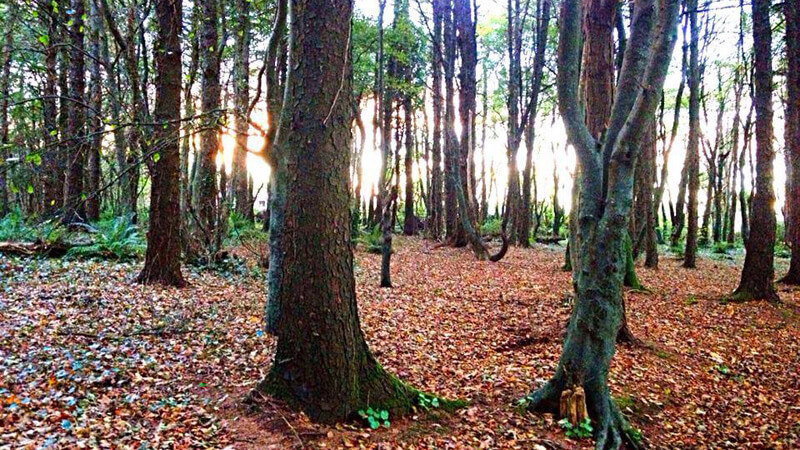
Mocollop is an ancient historical settlement pre-dating that in neighbouring Ballyduff. At the trailhead, Mocollop Church lies to the south and behind it rises Mocollop Castle. On the R666 Mocollop National School and Enright’s Forge remain, though now as dwelling houses. As you ascend the Glen Road, the stream runs alongside flowing south towards the River Blackwater. You will encounter the Mass Rock as you walk – pause to remember all who gathered in forbidden prayer during Penal times. Turning right along the woodland trail where foxglove and furze grow in glorious colours, a stunning vista awaits you of the Blackwater valley, stretching towards Careysville House to the west and beyond Ballyduff to Lismore Castle to the east. Descending further, look out for wild strawberries in season and take time to enjoy the tumbling waterfalls and picture postcard view of Mocollop church and castle as you cross the bridge on your return to the car park.
How to get there?
From the village of Ballyduff Upper travel west along the R666 for 2.8kms. Turn right. Trailhead is approx. 300m along the local road.
Did You Know
Mass Rock: Now located on the Glen Road. A ‘Mass Rock’, or ‘Carraig an Aifrinn’ when translated into Irish is a rock that was used as an altar during mid-17th century Ireland as a location for Catholic Mass.
Mocollop Castle: The history of the castle is the story of the Norman invasion and colonisation of Ireland. It is possible that some structure was built at Mocollop around 1185. If this was the case, the building would be of timber and any trace of it would lie within the foundations of the present castle. This timber castle lasted for a number of years and was not replaced by a stone building until about 1220. The core of Mocollop Castle built in 1220 is its circular keep. The circular keep is quite unique. Such towers are known as donjon and originated in France in the late 12th century. The gateway of Mocollop had a drawbridge with a portcullis behind. A timber causeway led away from the drawbridge towards the modern road. It is possible that the course of the Blackwater was slightly altered to provide a water filled moat around the castle.
Mocollop Church: Due to the prominence of Mocollop castle, a church was built in the present location sometime around 1180. In the spring of 1642, a Protestant minister held a service in Mocollop Castle which would suggest that the church was in ruins at that time. Captain Henry Tyrrell wished to place soldiers in the church as an added defensive measure for the castle. A new church was built, at an unknown time, after the restoration of the king in 1660. Mocollop held its curate until 1919. Thereafter it was managed by the dean or chancellor in Lismore. In 1935 its independence ceased when the parish north of the Blackwater went to Lismore while Tallow took the southern part. The church stayed in use until the 1960’s when rates, maintenance costs and a small congregation forced it to close. The roof was removed to avoid the rates while the wall memorials to various members of the Drew family were taken to Lismore Cathedral where they remain.
Walk details
Mocollop Walk
366.15 KBTrail name
Mocollop Glen Walk
Grade
Moderate
Distance
4.9 km
Type
Loop
Estimated time
1.5hrs
Way marking
White arrow on red background
Terrain
Forest roads and paths, local road
High point/ascent
183m/159m
Parking & trailhead
Mocollop Picnic Area
Trailhead grid ref/GPS
W935 999; 52.151256; -8.0950584
Nearest town/village
Ballyduff Upper
Minimum gear
Trekking shoes, rain gear, fluid, phone
Dogs allowed
On lead
Overview
Related experiences



Location
type
Grade
distance