

Popular search
Activities
Places
Trails
Events
St Patrick in Waterford: Origins, Myths, and Places to Explore This March
Every March, cities across the world turn green to celebrate St. Patrick’s Day, yet the story begins much closer to home than many realise. Waterford has deep links to Ireland’s patron saint. From medieval churches to one remarkable Waterford man who helped shape the feast we celebrate today, let’s explore Ireland’s oldest city’s connections to our country’s patron saint.
Who was St Patrick?
Patrick was a fifth-century missionary, likely a Welshman born in Roman Britain, who brought Christianity to Ireland. He went on to become a symbol of renewal, learning and protection. His feast on 17th March was originally a quiet holy day marked by prayer rather than parades, music or céilís.
Waterford’s Own Influence: Luke Wadding
One of the strongest connections between St. Patrick and Waterford is Luke Wadding, born in 1588. A Franciscan scholar working in Rome, Wadding ensured that the feast of St Patrick was included in the Roman Missal in the 1630s. That decision fixed 17th March as a universal date of celebration. In many ways, Wadding is the reason the world celebrates St. Patrick’s Day when it does. His legacy lives on throughout Waterford, from the Luke Wadding Library to the statue, erected in the 1950s, in Greyfriars honouring him.
Places Linked to St. Patrick in Waterford
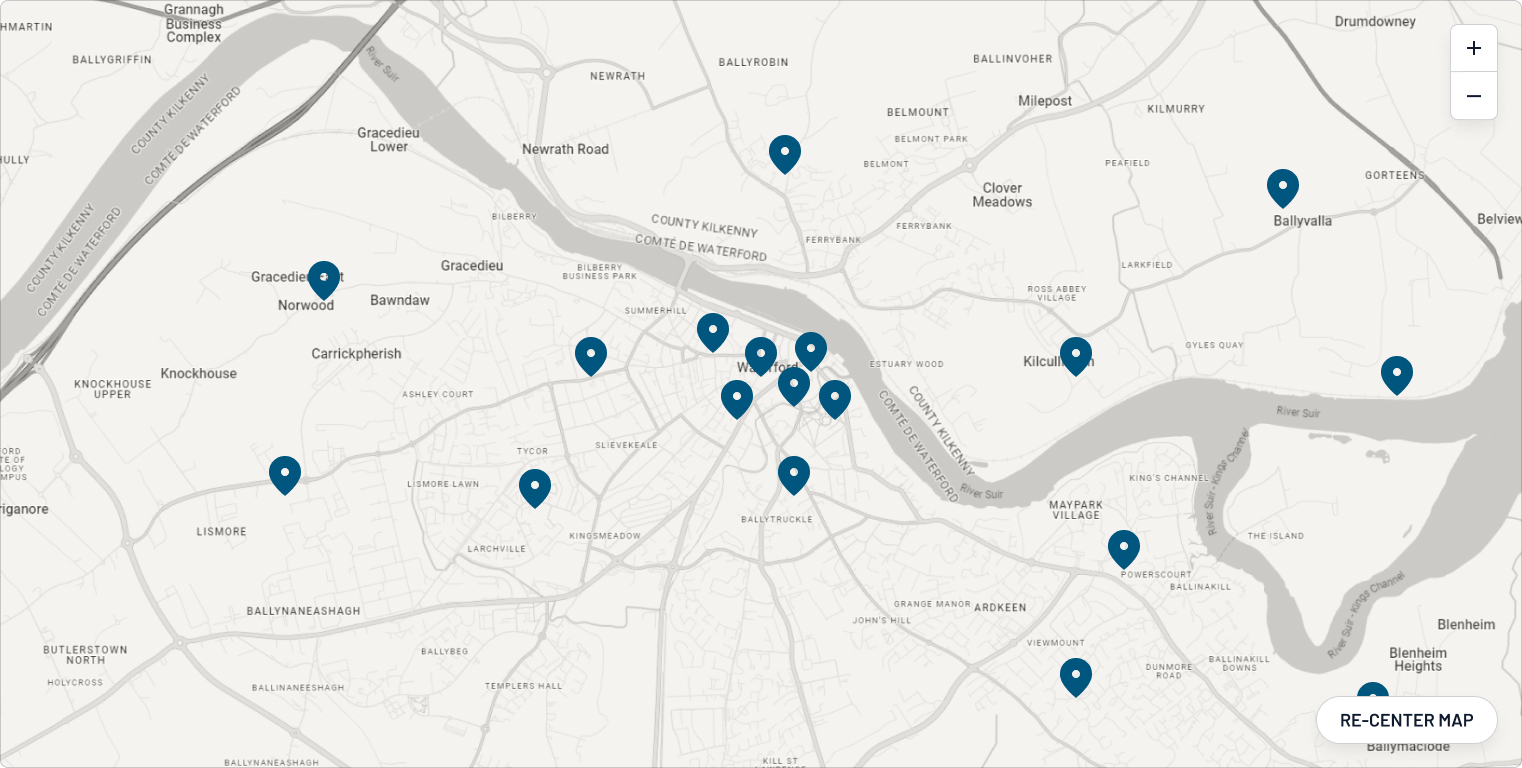
Waterford holds traces of devotion to Patrick across the county:
Just beyond the border, near Clonmel, is the beautiful St. Patrick’s Well, one of the largest and most atmospheric holy wells in Ireland. Nestled in a sheltered valley, the site includes a clear spring, ancient cross slab, and a medieval chapel. Tradition holds that Patrick himself visited this spot to conduct baptisms.
How St Patrick’s Day Became a Global Celebration
From the seventeenth century onwards, Irish communities carried the feast day abroad. Ports like Waterford were central to that movement, connecting Ireland with Europe and the wider world. The earliest recorded St. Patrick’s Day parade was held in 1601 in Spanish Florida. It was led by an Irish priest. By the nineteenth century, parades had become major events in New York, Boston and cities across the globe.
Symbols of the Day
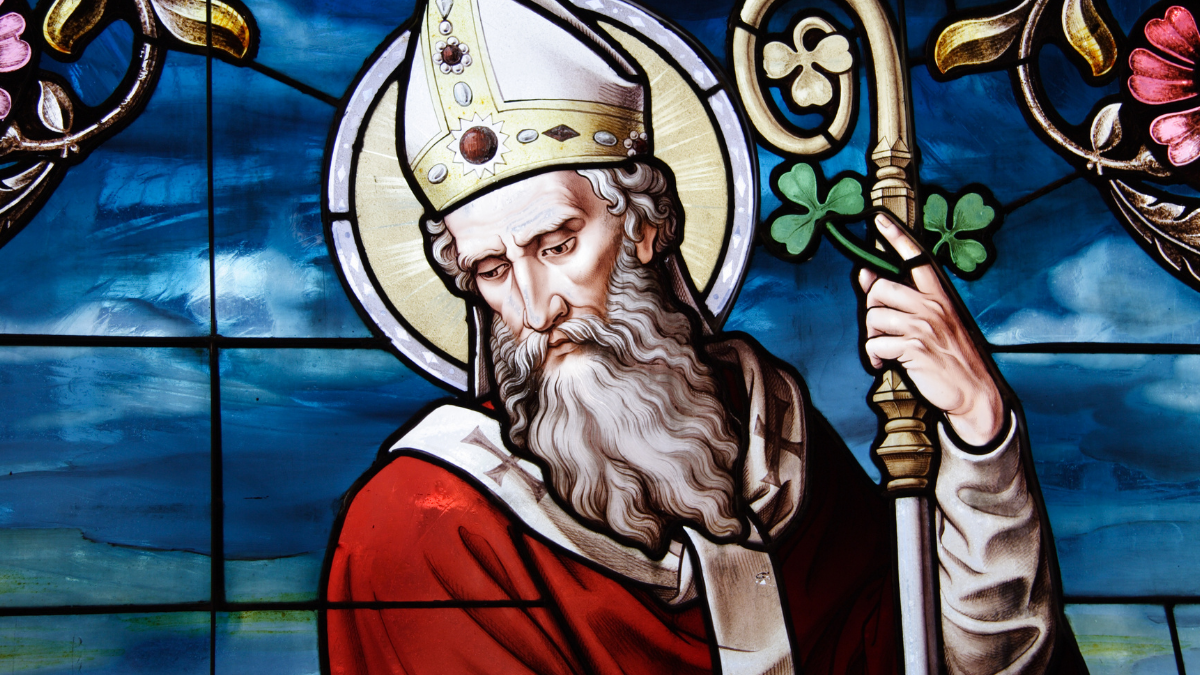
The shamrock, said to be used by Patrick to explain the Trinity, is a long-standing spring emblem. The tales of snakes being banished are metaphorical rather than literal. They represent the end of pagan practices. Bells, staffs and early Christian manuscripts also appear in stories about Patrick, many reflected in objects found in Waterford’s early monastic sites.
Waterford Art Connected to Patrick
Bernard Homann / Homann Heirs Map (1710s–1730s) – “Ardmore, St Declan and St Patrick”
Waterford Treasures holds several historic maps and engravings from the Homann workshop. Although not only about St Patrick, one of the plates in this series shows Ardmore and references St Declan welcoming St Patrick into Ireland.
St. Patrick’s Brass Plaque – Waterford City Hall
There is a historic brass plaque of St Patrick inside Waterford City Hall (the old Council Chamber area). It shows St Patrick with crozier and shamrock and was made as part of civic decoration in the late nineteenth century when Waterford leaned into its Catholic revival identity.
St. Patrick’s Church, Ballybricken – interior art and stained glass
Although not technically “artwork” in a gallery sense, this is one of the most significant St. Patrick dedications in Waterford.
Inside you will find:
We hope you’ve enjoyed this short dive into Patrick and his Waterford connections. Make sure to tag Visit Waterford in your St. Patrick’s Weekend adventures and celebrations!
 Are you ready for your one-day adventure?